Self-Levelling Compound

Overview:

Self-levelling compound (also called self-levelling screed or floor levelling compound) is a high-flow, cement-based material that spreads and levels itself once poured, forming a smooth, flat base — ideal for priming before laying SPC flooring, vinyl, wood/laminate flooring or floor tiles. Wah Hing supplies self-levelling screeds and matching primers from Sika, Optimix, Weber, Mapei, GOTECH and Fosroc, covering underlayment, wearing-layer, interior/exterior and coloured grades. Most products typically in stock.

20 products

Overview:

Self-levelling compound (also called self-levelling screed or floor levelling compound) is a high-flow, cement-based material that spreads and levels itself once poured, forming a smooth, flat base — ideal for priming before laying SPC flooring, vinyl, wood/laminate flooring or floor tiles. Wah Hing supplies self-levelling screeds and matching primers from Sika, Optimix, Weber, Mapei, GOTECH and Fosroc, covering underlayment, wearing-layer, interior/exterior and coloured grades. Most products typically in stock.

What is self-levelling compound?

Self-levelling compound (also called self-levelling screed or floor levelling material) is a high-flow, cement-based material. Once mixed with water and poured, it flows out and levels itself, forming a smooth, flat floor base. Compared with the traditional hand-applied sand-cement screed, self-levelling is faster to install, makes flatness easier to control, and can be laid as a thinner levelling layer; each has its place, and the right choice depends on the job.

Uses of self-levelling compound

  • Priming before floor coverings — a flat base for SPC flooring, vinyl, engineered wood flooring and tiles
  • Interior floor renovation — quickly level old floors and fill dips and level differences
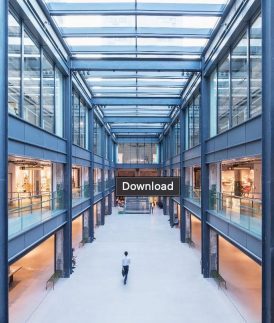
  • Commercial and industrial floors — large-area levelling for offices, malls, warehouses, etc.
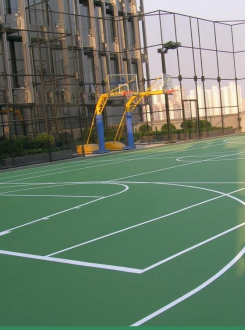
  • Wearing layer and decorative floors — some wearing-layer grades can serve as the final floor, or as coloured, polished and terrazzo-effect decorative finishes
  • Hygiene-sensitive areas — some grades are free from casein and other protein additives, suiting hospitals, kitchens and food-processing floors
  • Modular construction (MiC / DfMA) — some grades suit modular components and pre-assembled floors, giving a fast, flat levelling base

How to choose a self-levelling compound

Before buying, it helps to clarify a few points:

  • Cement-based vs gypsum-based — Hong Kong is humid, so cement-based self-levelling resists moisture and is the mainstream choice; gypsum-based self-levelling is moisture-sensitive and is generally not advised for floors, kitchens/bathrooms or below-grade areas.
  • Underlayment vs wearing layer — underlayment grades go beneath a finish as a base; overlayment (wearing-layer) grades are harder and more abrasion-resistant, and some can serve as the final floor.
  • Interior vs exterior — for outdoor or sun/rain-exposed areas, choose a weather-resistant grade.
  • Thickness — thin levelling and thick filling have their own respective grades; avoid applying a thin-layer grade too thickly in one pass. For recommended thickness, refer to each product's Technical Data Sheet (TDS).
  • Matching primer (bonding agent) — on older or absorbent substrates, a primer improves adhesion and reduces delamination and bubbling.
  • Old or cracked substrates — where the existing floor is old or prone to cracking, a fibre-reinforced grade helps resist cracking.

Self-levelling brands

Wah Hing carries self-levelling compounds and matching products from several brands:

  • Sika — Sikafloor 357 Level self-levelling; broad application range and able to handle larger level differences.
  • Optimix — SF806 / SF818 interior underlayment, SF828 / SF838 / SF878 wearing layers, SF868 exterior wearing layer; a full range, with some grades free from casein for hygiene-sensitive areas.
  • Weber — the Weberfloor range of self-levelling screeds and coloured self-levelling; some grades are fibre-reinforced, with consistent international-brand quality.
  • Mapei — Ultratop decorative wearing layer (polished and terrazzo effects available), Novoplan DA underlayment, and other products.
  • GOTECH — GT 818 self-levelling floor screed; thin-layer, fast-drying, ideal for priming before thin floor coverings.
  • Fosroc — Nitoflor EU5 self-levelling epoxy, suited to industrial floors.
  • Matching primers — Optimix SF80, Weberfloor Primer, Mapei Primer SN and other bonding agents / primers.

Self-levelling installation steps (overview)

  1. Substrate preparation — clean the floor; remove dust, grease and loose material, and make sure it is sound.
  2. Apply primer — a matching primer improves adhesion and seals the substrate's pores; especially recommended where the substrate is older or absorbent.
  3. Mix and pour — mix with the specified amount of water until lump-free, then pour onto the floor to self-level.
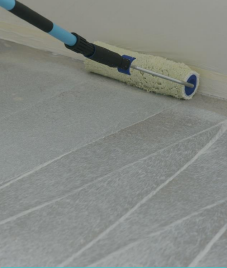
  4. De-airing — use a spiked roller to release trapped air bubbles.
  5. Curing — cure per the product's TDS, and only lay the finish once fully dry.

For detailed application methods, coverage and curing times, refer to each product's Technical Data Sheet (TDS).

Frequently asked questions

How much does self-levelling compound cost?

Prices vary by brand, grade and quantity, and are generally worked out by floor area and thickness. You are welcome to enquire for a quote via WhatsApp.

Is self-levelling suitable before laying SPC or wood flooring?

Very suitable. Floating floors such as SPC and vinyl demand a flat base; levelling first reduces later noises, uneven load on the clicks and lifting joints.

How thick is self-levelling?

It depends on the product grade and the floor condition; there are grades for both thin levelling and thick filling. For recommended thickness, refer to the product's Technical Data Sheet (TDS).

Can self-levelling be used as the final wearing surface?

Some overlayment (wearing-layer) grades can serve as the final floor or a coloured floor; the remaining underlayment grades need a finish such as tiles or wood flooring laid over them.

Is self-levelling suitable for hospitals, kitchens or food factories?

Some self-levelling grades are free from additives such as casein and ammonia, suiting hospitals, kitchens, food processing and other hygiene-sensitive areas. Let us know the intended use and we can help recommend a suitable grade.

Can self-levelling be used for modular (MiC) floors?

Yes. Some grades suit Modular Integrated Construction (MiC) and Design for Manufacture and Assembly (DfMA) projects, giving modular floors a fast, flat levelling surface.

Can self-levelling create decorative floors or a terrazzo effect?

Some decorative wearing-layer grades can form coloured floors, and certain products can achieve a polished or terrazzo effect — ideal for showrooms, shops and other appearance-conscious floors.

Where can I buy self-levelling compound?

Wah Hing supplies self-levelling compounds and matching primers from multiple brands at our Canton Road shop in Mong Kok. Most grades are typically in stock, individual grades welcome to enquire; visit us in store or contact us via WhatsApp.