
-
Optimix TG480 Epoxy Tile Grout
Vendor:Optimix 奧迪美 -
Weber Weberepox Easy Tile Grout
Vendor:Weber 偉伯 -
Sika Ronacrete Ronagrout EPG
Vendor:Sika Ronacrete 西卡永聯結 -
Sika Ronafix Colour Grout CG2 WAr / 25KG
Vendor:Sika Ronacrete 西卡永聯結 -
Mapei Flexcolor
Vendor:Mapei 馬貝 -
Mapei KERACOLOR FF CG2WA Tile Grout
Vendor:Mapei 馬貝 -
Mapei Keracolor GG CG2WA Tile Grout
Vendor:Mapei 馬貝 -
Mapei Kerapoxy
Vendor:Mapei 馬貝 -
Mapei Kerapoxy Cleaner
Vendor:Mapei 馬貝 -
GOTECH GT Colour Grout CG2WA / 25KG
Vendor:GOTECH 高迪


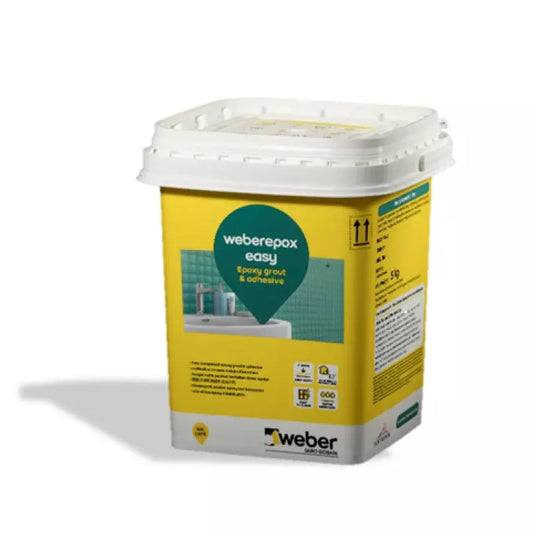

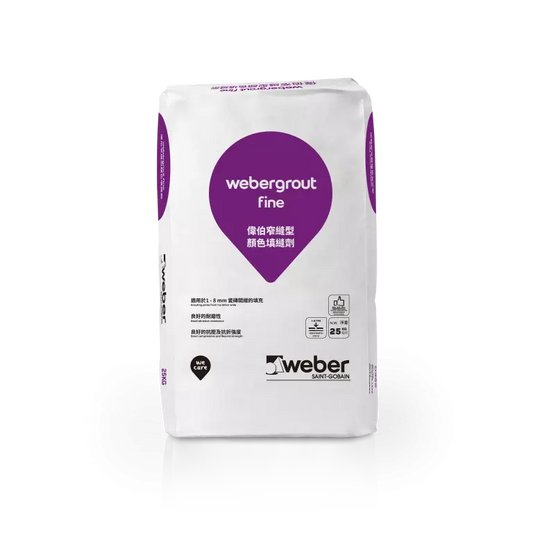

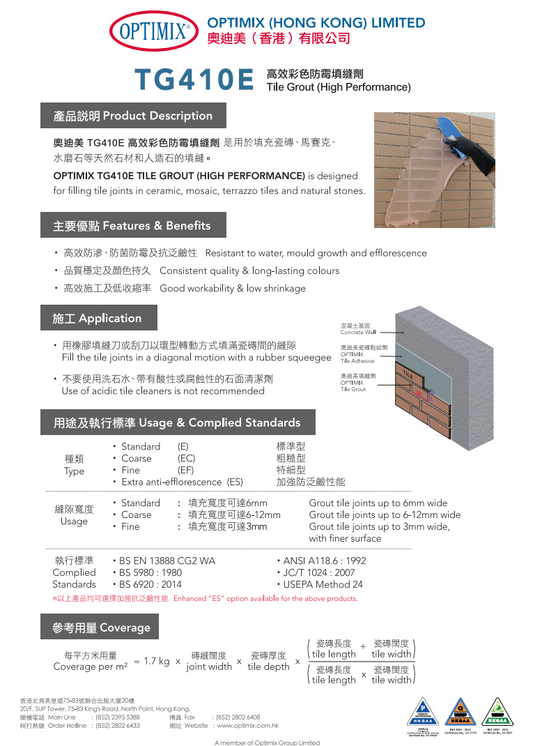

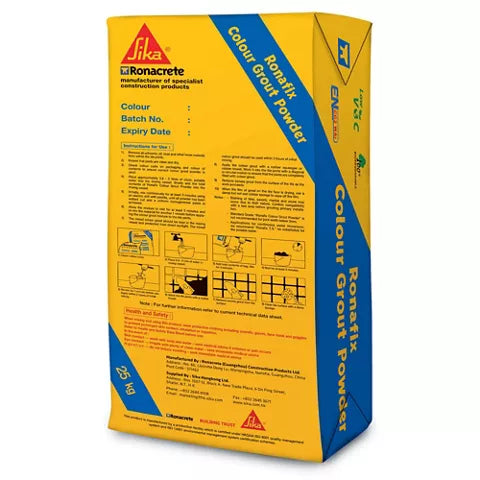

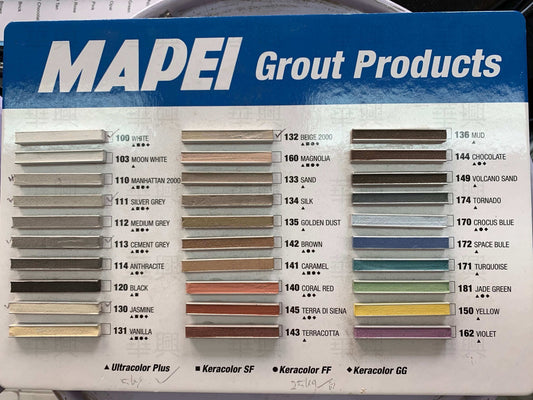


Tile grouts fill joints in tiles, stone and specified finishes. Cementitious, epoxy-resin and ready-to-use products differ in application, joint width, abrasion, water absorption and chemical exposure; select by finish, location and technical data.
Selection guide
- Cementitious grout: Under EN 13888, C means cementitious, G means grout, 1/2 means normal/improved, A means high abrasion resistance, W means reduced water absorption and F means fast setting. CG2WA is not a 'highest waterproof grade'.
- Optimix TG410E: This is a CG2WA polymer-modified cementitious grout. TG410ES is the separate enhanced-efflorescence-resistance version and must not be conflated with TG410E.
- Epoxy-resin and ready-to-use products: Optimix TG480 is a two-component epoxy-resin cartridge grout. Select other epoxy-resin or ready-to-use products by their own application area, cleaning and installation requirements.
- Selection factors: Check the tile or stone type, joint width, wall or floor application, interior or exterior location, colour, cleaning requirements and exposure conditions.
Do not apply abrasion, reduced-water-absorption, efflorescence, mould or chemical-resistance claims to the entire category. Every performance claim must follow the individual classification and technical data.
Brands and product ranges
This collection includes Optimix, Sika Ronacrete, Mapei and Weber. Most models are typically in stock; please enquire about individual products.
Not Sure Which to Choose? These Guides Will Help

Why You Need Tile Grout
Tile grout fills the gaps between tiles to prevent water seepage, mould growth, and bacterial buildup. Learn why professional grout is essential, how to spot deterioration, and how to choose...
Why You Need Tile Grout
Tile grout fills the gaps between tiles to prevent water seepage, mould growth, and bacterial buildup. Learn why professional grout is essential, how to spot deterioration, and how to choose...

Popular Tile Grout Brands in Hong Kong
Compare the most popular tile grout brands available in Hong Kong, including Optimix TG410E, Mapei Ultracolor Plus, Weber Weberepox Easy, and more. Learn about their features, waterproofing ratings, and ideal...
Popular Tile Grout Brands in Hong Kong
Compare the most popular tile grout brands available in Hong Kong, including Optimix TG410E, Mapei Ultracolor Plus, Weber Weberepox Easy, and more. Learn about their features, waterproofing ratings, and ideal...

Tile Grout vs White Cement Pointing: Why You Sh...
White cement pointing is cheap but prone to mould, cracking, and efflorescence. Modern polymer-modified tile grout is waterproof, anti-mould, and available in dozens of colours. Learn the differences and which...
Tile Grout vs White Cement Pointing: Why You Sh...
White cement pointing is cheap but prone to mould, cracking, and efflorescence. Modern polymer-modified tile grout is waterproof, anti-mould, and available in dozens of colours. Learn the differences and which...

Tile Grout vs Beauty Grout: Which Lasts Longer?
Cement tile grout suits most homes, beauty grout looks glossy but has durability issues, and epoxy grout is the most durable option for pools and commercial kitchens. A complete comparison...
Tile Grout vs Beauty Grout: Which Lasts Longer?
Cement tile grout suits most homes, beauty grout looks glossy but has durability issues, and epoxy grout is the most durable option for pools and commercial kitchens. A complete comparison...


